
Understanding how marks work takes the guesswork out of GCSE exams. The number of marks on a question tells you exactly how much detail to include and how to structure your answer.
1-2 mark questions
-
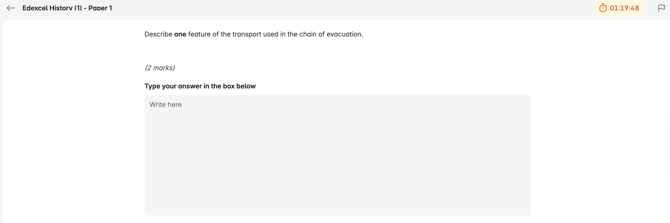
Keep it short and precise. One mark means one key point, two marks means two points or one point with a brief explanation.
-
Use the correct keyword, avoid examples unless asked.
-
Don't write more than a sentence or two.
4 mark questions
-
These need a short, structured explanation. A reliable approach is to make a clear point, support it with evidence or reasoning, and link it back to the question.
-
Think of it as showing you understand the why, not just the what.
6 mark questions
-
Aim for three well-developed points, each worth roughly 2 marks.
-
Plan your answer before you start writing, use subject keywords, and explain your reasoning fully rather than just listing facts.
-
For evaluation questions, show both sides of the argument.
-
For explanation questions, make sure you explain the outcome of each point.
Let the marks guide how much time you spend on each question. Always look for the command word (explain, evaluate, analyse, discuss) as this tells you what the examiner wants.
For 6 mark questions, take 30 seconds to note your main points before writing.
Tip: Atom's AI marking shows you exactly what examiners are looking for after every practice paper, so you can see where marks are being lost and fix it fast.
For lots more detail on answering GCSE questions based on marks, head to our blog!